
Find the fault in an underground cable.
We supply cable fault location equipment: reflectometers, surge generators, acoustic pinpointers and route tracers, or all of them fitted in one test van.
- Range up to 100 km
- Surge up to 30 kV
- Acoustic band 80 to 1500 Hz
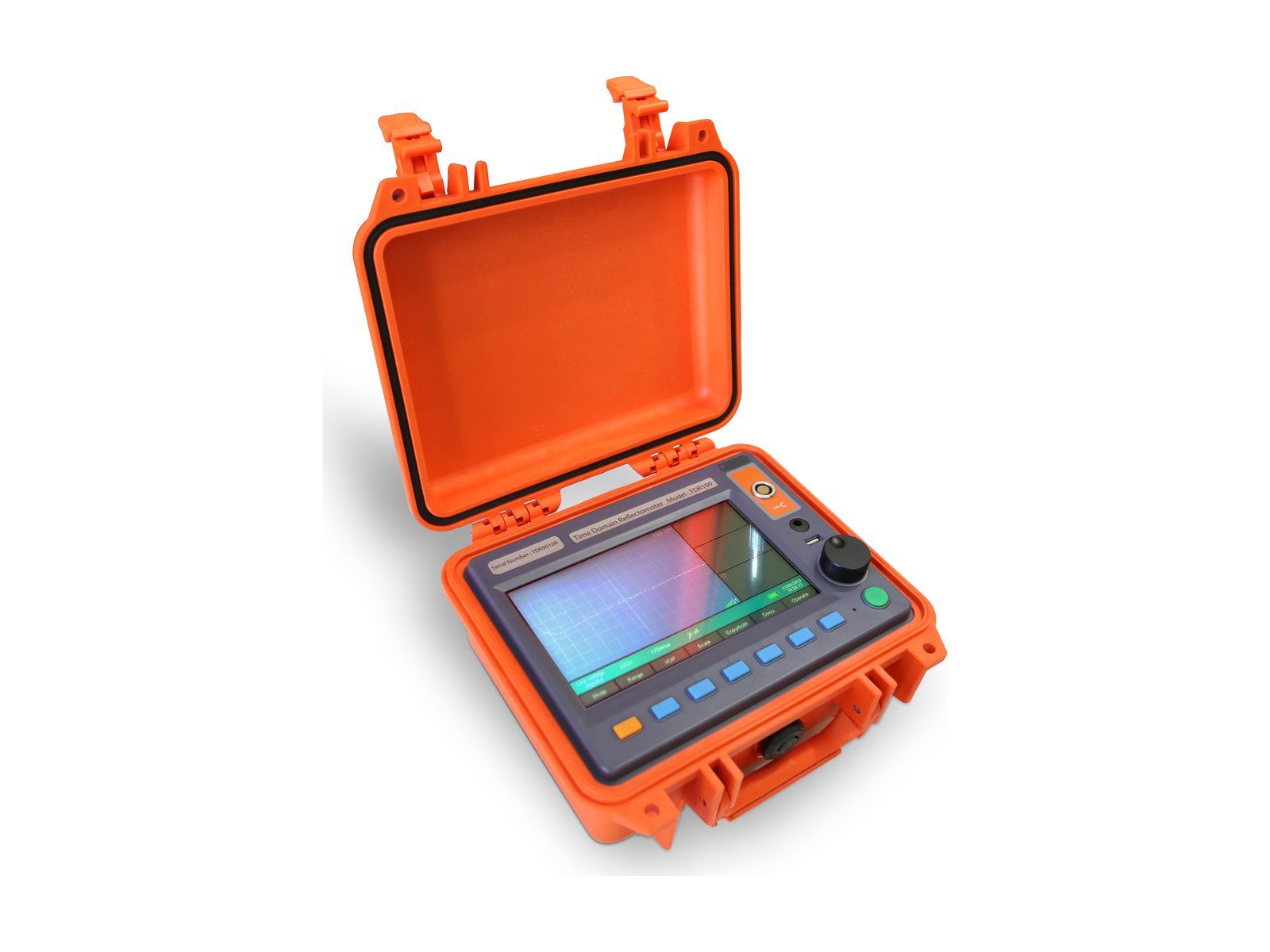
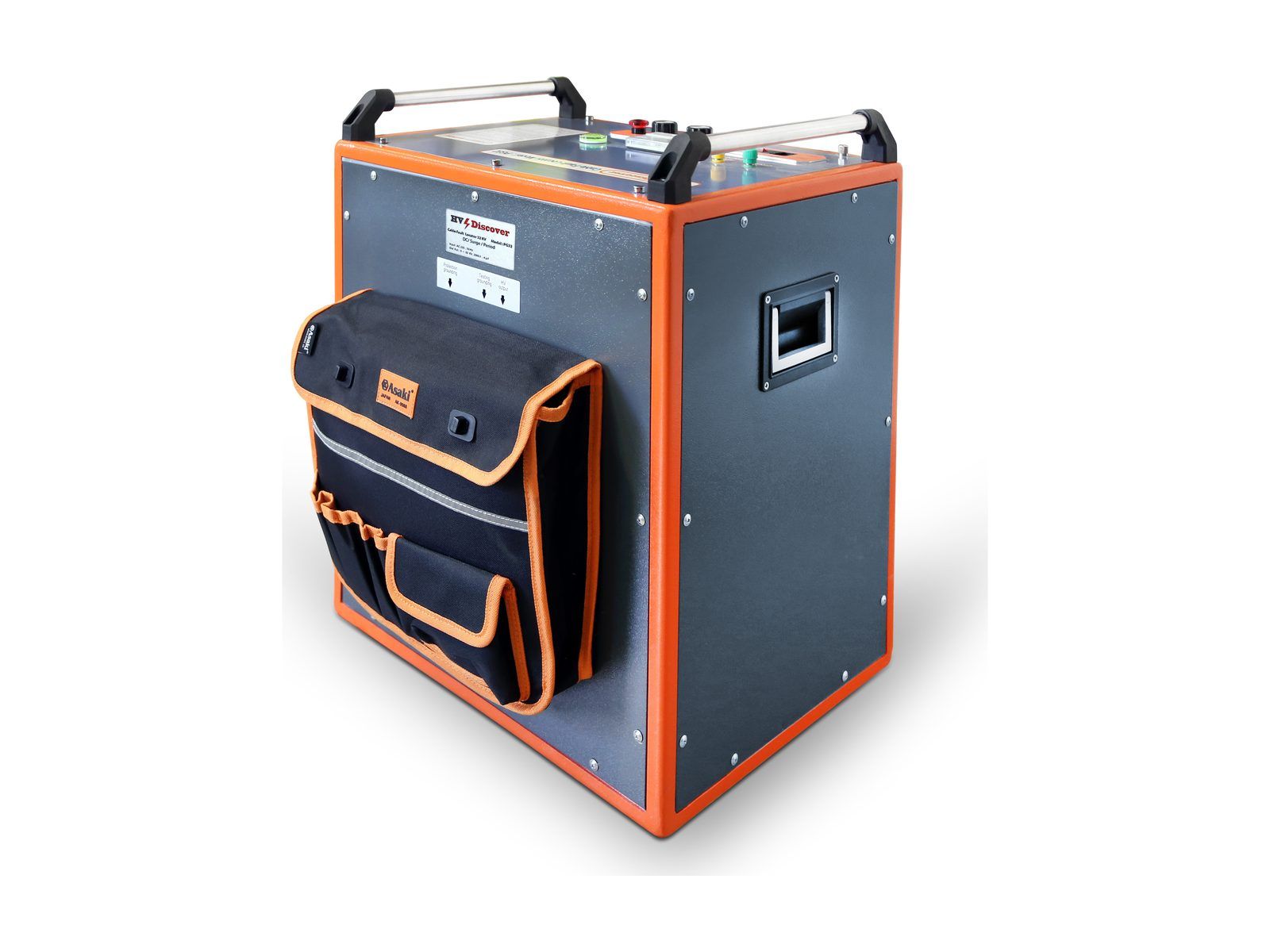
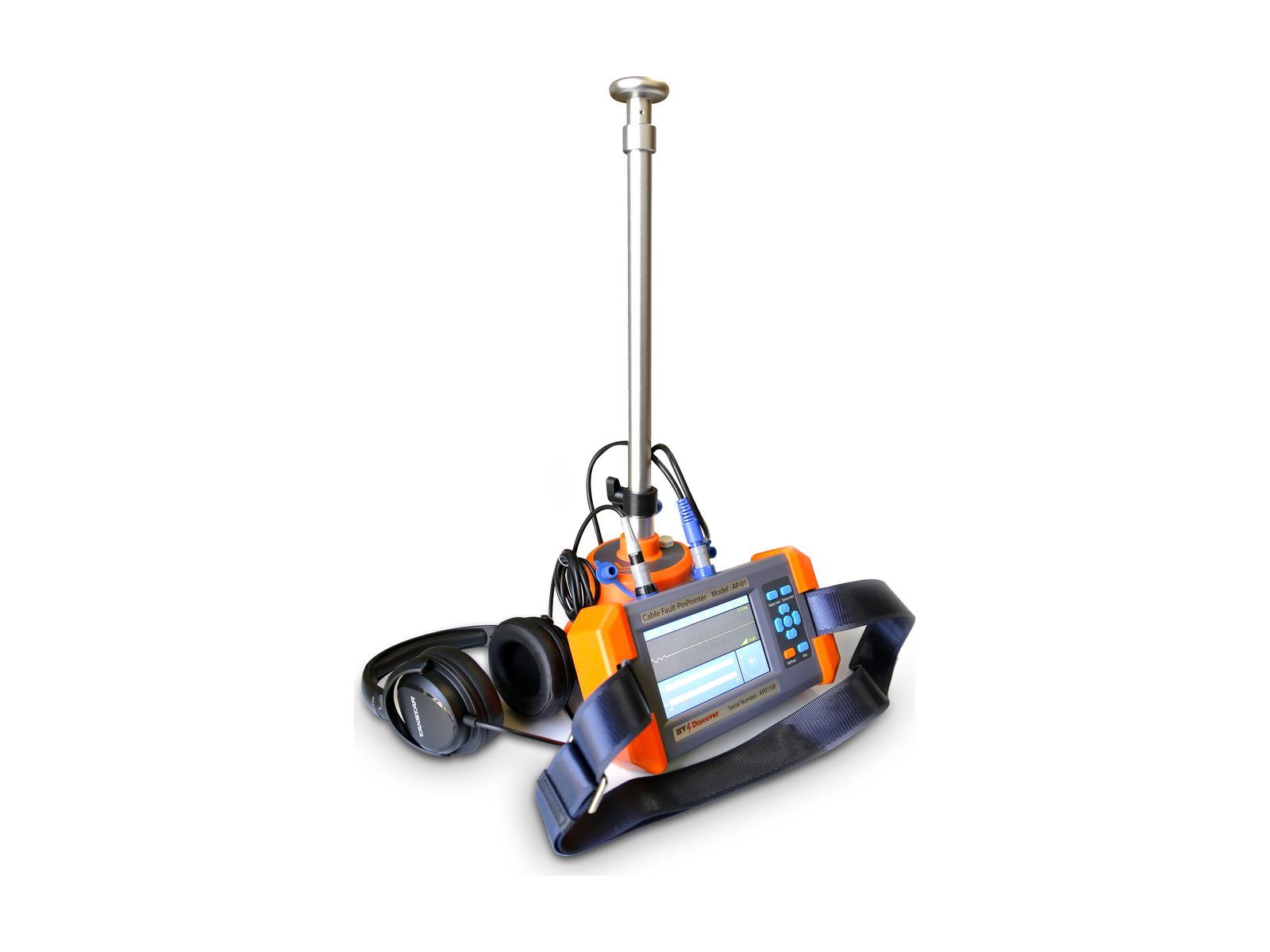
Four jobs, and an instrument for each.
Use one instrument or the whole chain. Add what you need to a quote and we reply by email.
-
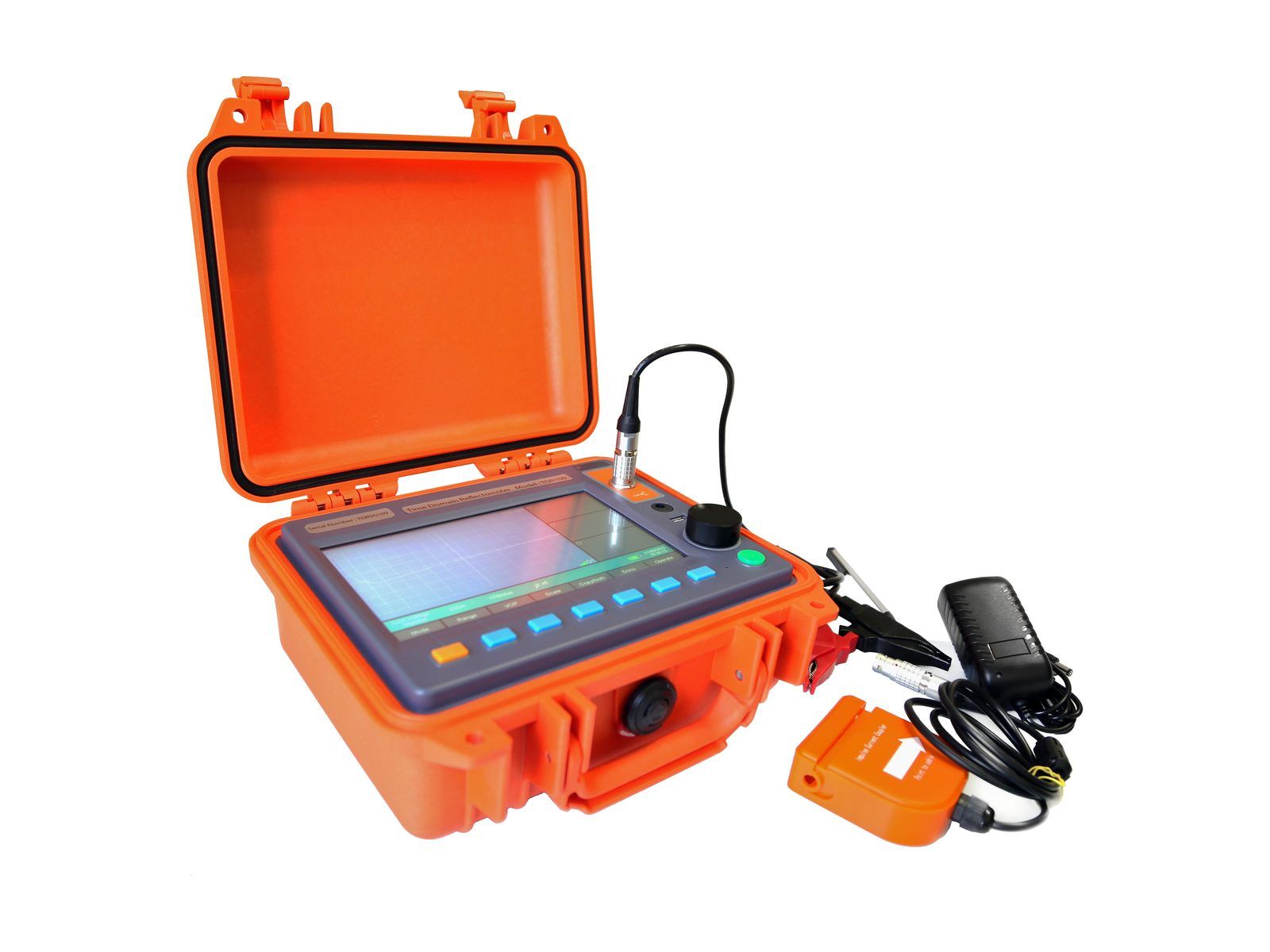
Step 1: Find the distance
A reflectometer times the echo of a low-voltage pulse and gives the distance to the fault in metres.
-
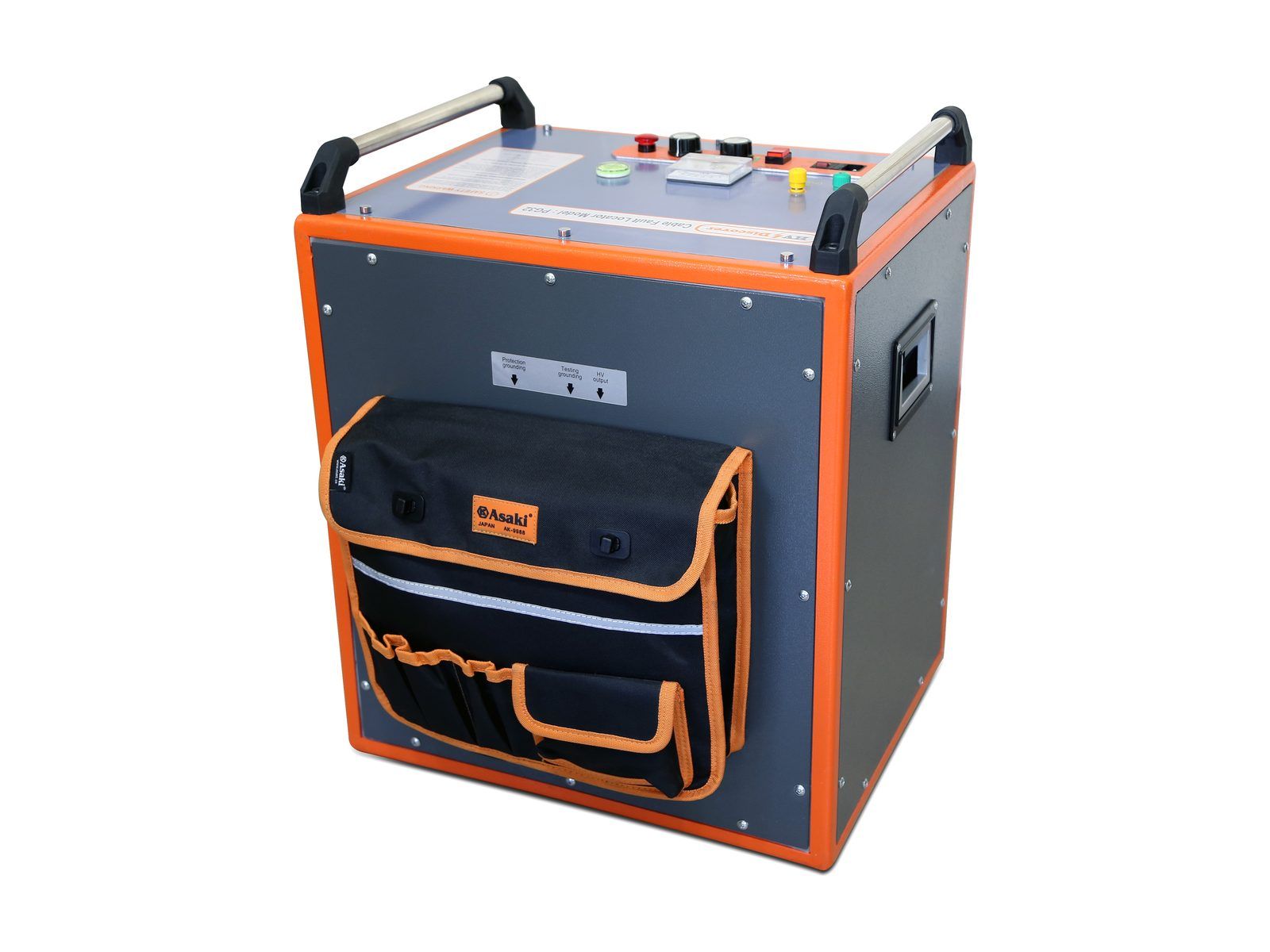
Step 2: Make the fault show
A high-voltage surge breaks down high-resistance and intermittent faults, so they reflect clearly and flash over audibly.
-
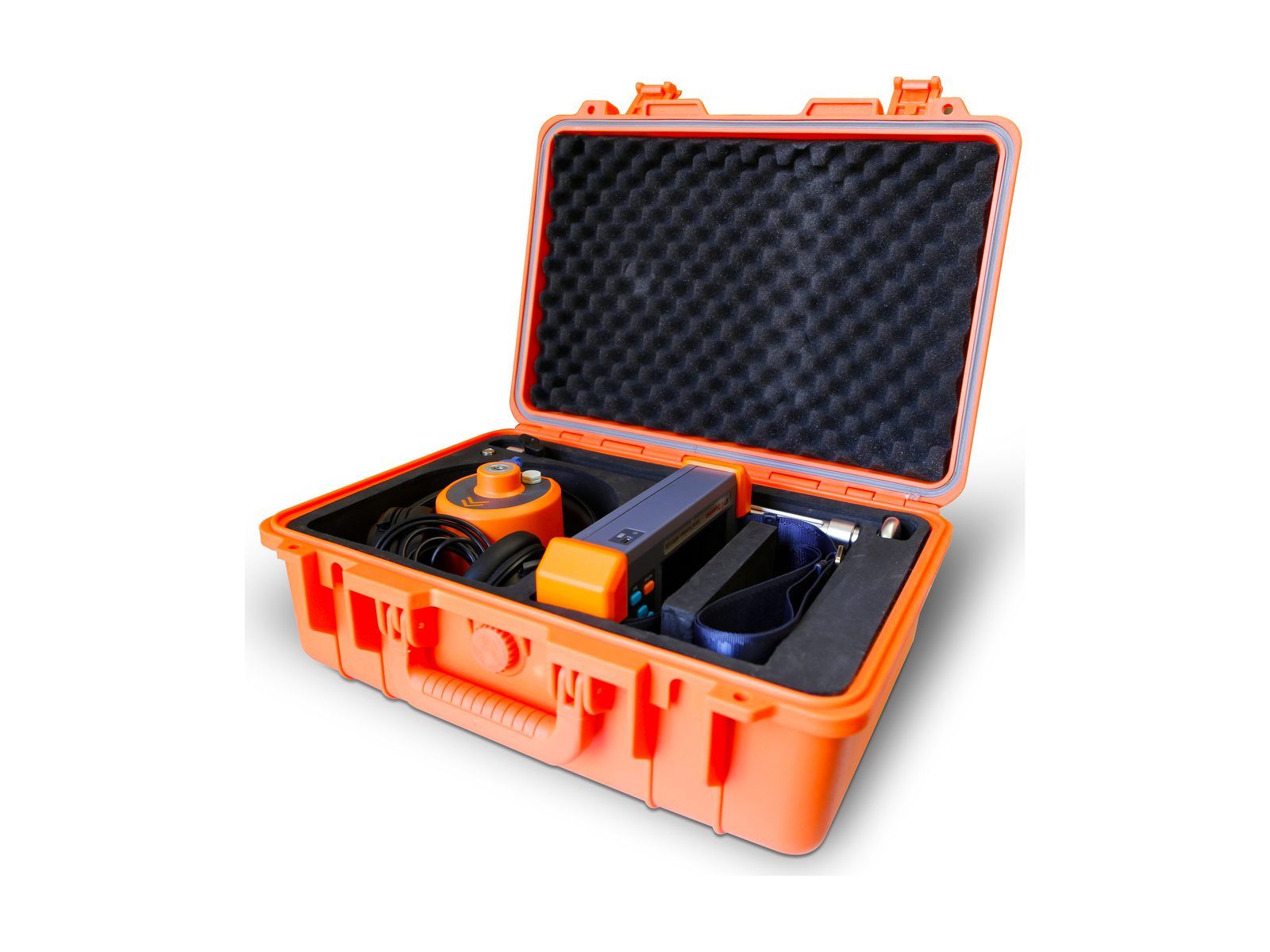
Step 3: Pinpoint the spot
Walk the route while the surge generator fires and listen for the discharge through the ground: the loudest point is where you dig.
-
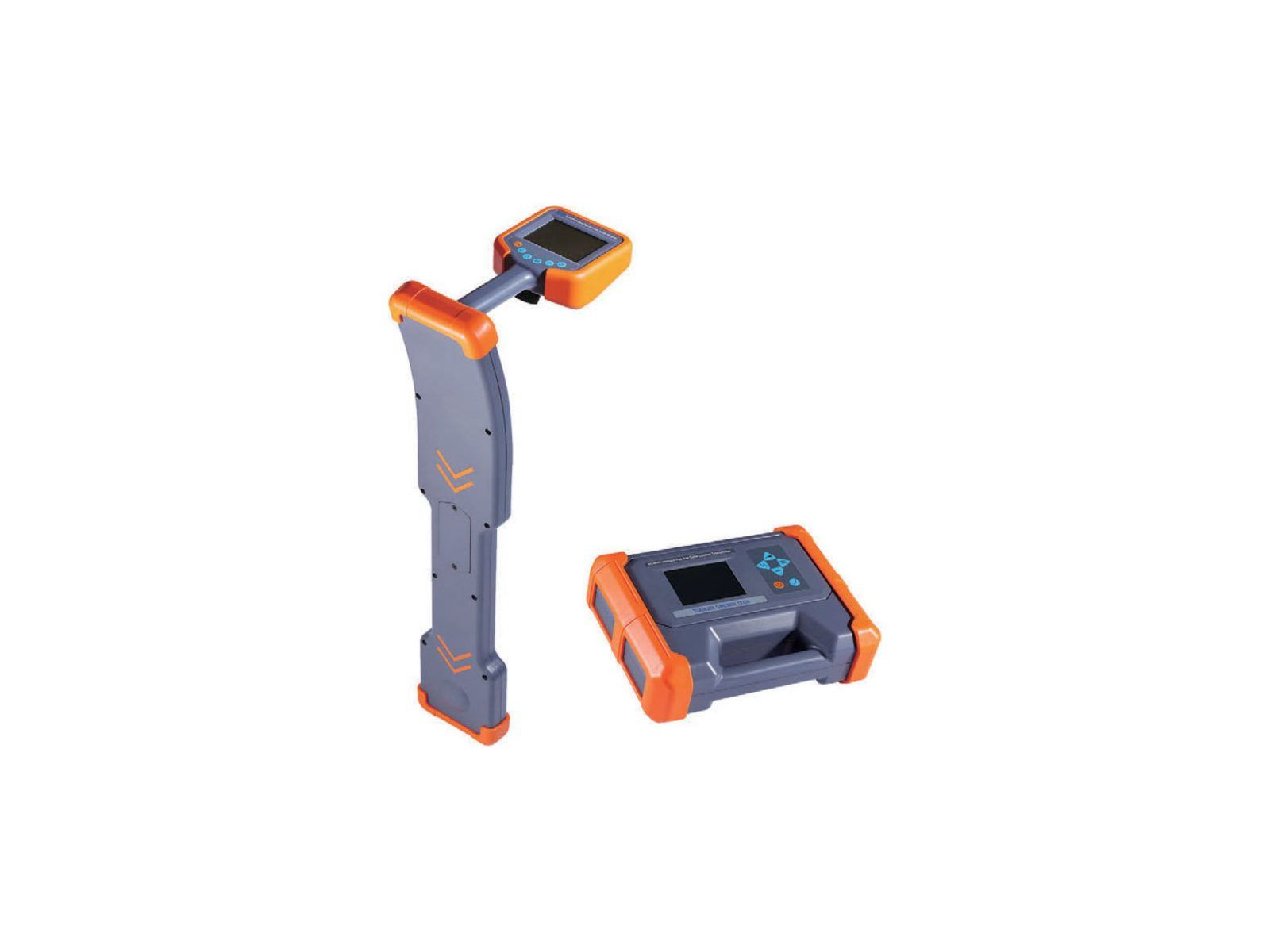
Step 4: Follow the route
A transmitter puts a signal on the cable and a receiver follows it, so the measured distance lands on the right street.
Every cable fault has an address.
A reflectometer sends a low-voltage pulse into the cable, and every joint, fault or open end sends part of it back. The time each echo takes to return gives its distance in metres.
Move across the trace, drag it, or focus it and use the arrow keys to read any distance and what the echo means.
The four steps of fault location, in detailTrace 1 of 10: open circuit
A large positive echo before the cable’s known end means a break. The time to the echo gives the distance.
Distances use v/2 = 80 m/µs (a propagation velocity of 160 m/µs, typical for XLPE).
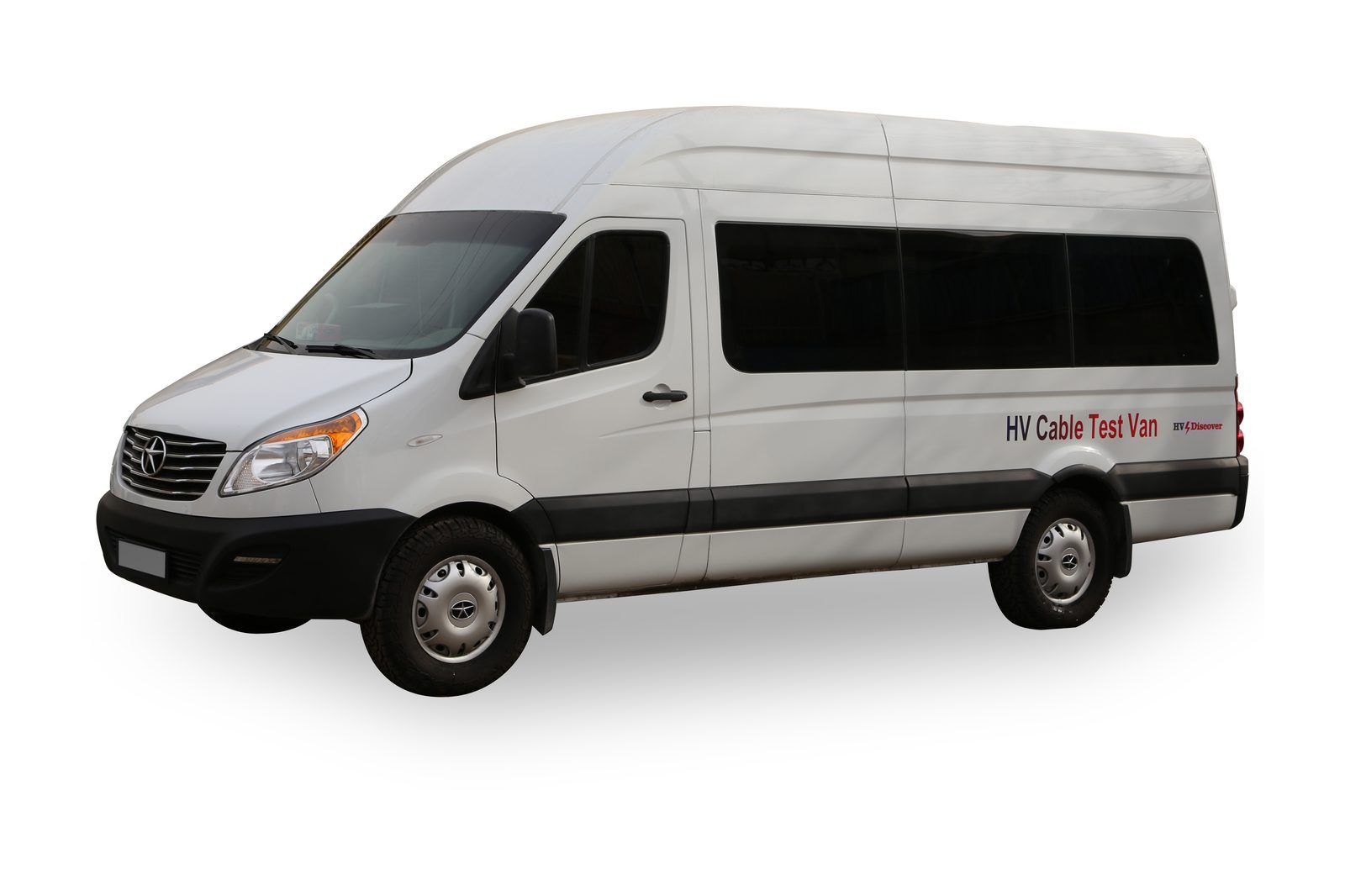
The whole workflow, on four wheels.
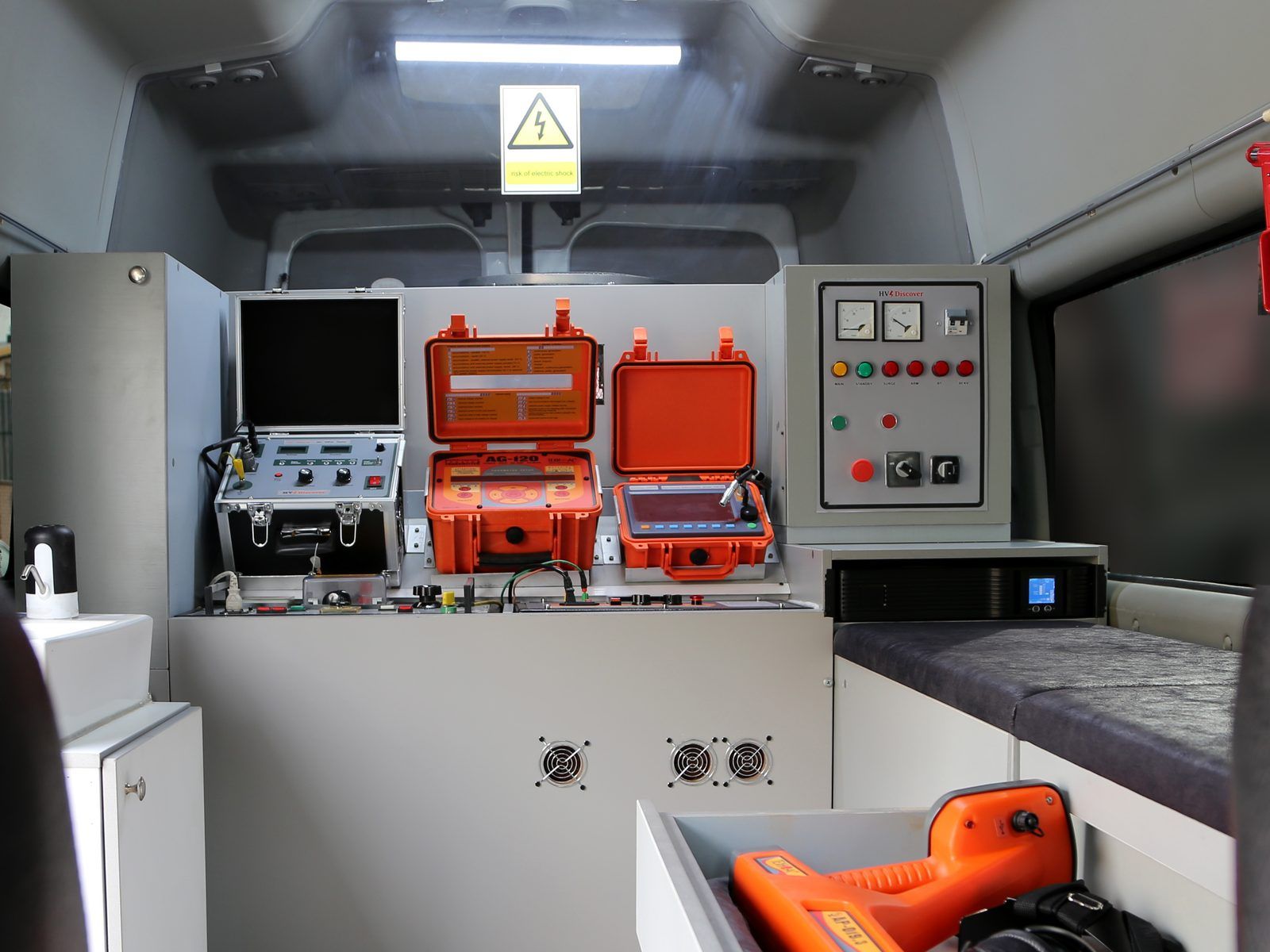
The cable test van carries every step of the sequence, fitted and wired: reflectometer, surge generator, acoustic receiver and route tracer, with the high-voltage connections at the rear doors. The crew arrives ready to measure.
About the cable test vanFitted equipment
- Step 1Reflectometer
- Step 2Surge generator with the HV connection panel at the rear doors
- Step 3Acoustic receiver with headphones
- Step 4Route tracer transmitter and receiver
- CabinControl panel with meters and UPS
- Rear doorsHV connection panel and four cable reels
Support that stays with the instrument.
Training, calibration, spare parts and remote help are arranged through support, by model number.
Training
Operator training on each instrument and on the whole sequence, from the first pulse to the dig spot. Ask for it with your quote.
Calibration
Instruments ship with a calibration certificate. Recalibration and checks are arranged through support.
Spare parts
Ask for test leads, clamps, earth rods, filters and carrying cases by model number.
Remote help
Send a screenshot of the trace or a description of the fault. We reply by email.
Tell us about the cable. We’ll recommend the kit.
Three questions. If you are not sure, choose “I don’t know” and we will ask the right follow-up.